By Matt Sexton
October 14, 2026
Navigating the world of automotive maintenance can feel overwhelming for beginners facing unexpected mechanical repairs or performing routine vehicle servicing. When a warning light illuminates on your dashboard, or a strange sound echoes from beneath the hood, finding the right replacement component quickly becomes a top priority. While online shopping platforms offer endless catalogs, visiting a neighborhood store for local auto parts provides immediate availability, expert guidance from experienced counter staff, and hassle-free returns. Learning how to identify, source, and care for automotive components empowers vehicle owners to make confident decisions while protecting their personal transport investment. Taking a proactive approach to vehicle care saves both time and money over the lifespan of your automobile.
Navigating parts counters successfully begins with understanding the different categories of replacement components available on the market today. Original Equipment Manufacturer parts match the exact specifications of the components installed when your vehicle left the factory, offering guaranteed fitment at a premium price point. Aftermarket alternatives provide high-quality performance manufactured by third-party companies, often at a reduced cost. Additionally, choosing remanufactured or rebuilt options offers an eco-friendly, budget-conscious compromise. According to Gitnux, rebuilt or remanufactured items make up roughly 40% of all auto parts sold. Sourcing these components through a trusted provider of local auto parts guarantees that you receive fully tested, reliable replacements backed by store warranties.
Gathering Vehicle Identification Numbers and Specific Component Details
Before walking up to a counter or calling a neighborhood store, collecting accurate vehicle information is essential for finding the correct component on the first attempt. Every vehicle carries a unique seventeen-character Vehicle Identification Number located on the driver-side dashboard corner and inside the driver door jamb. Counter associates use this code to look up exact engine codes, transmission types, and production date ranges for your specific trim package.
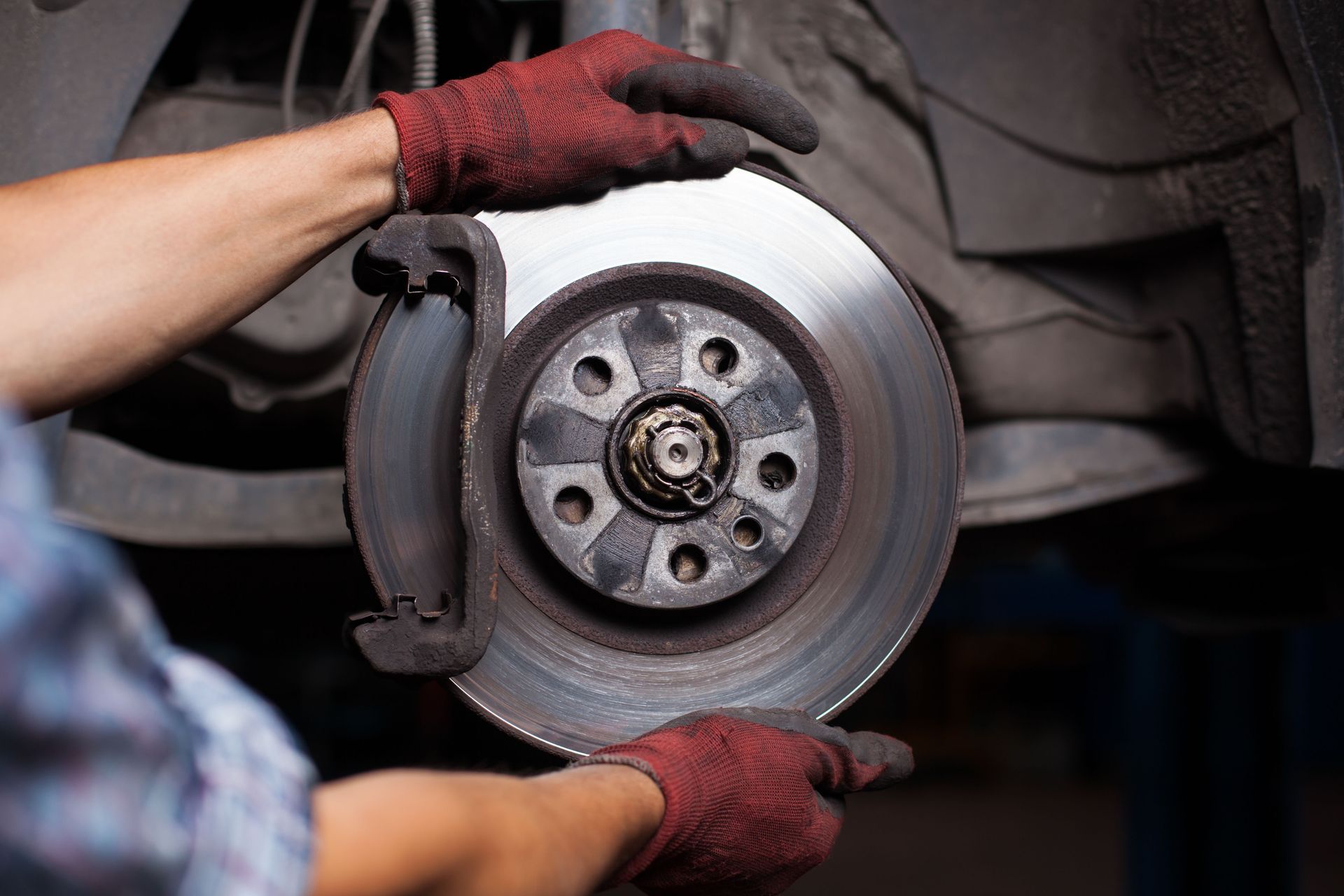
In addition to the identification code, taking photos of the failed component while it is still mounted or after removal provides valuable visual context. Note any stamped part numbers, brand markings, or distinct electrical connector shapes visible on the housing. Bringing the damaged factory component directly into a store that stocks local auto parts allows the counter specialist to physically match bolt hole patterns, thread sizes, and overall dimensions before you make a purchase. Physical comparison eliminates the guesswork often associated with online ordering.
Choosing Between OEM, Aftermarket, and Remanufactured Auto Parts
Understanding the distinct differences between component categories helps you choose the right balance of cost, longevity, and availability for your vehicle. Original equipment parts offer complete peace of mind because they are engineered specifically by the vehicle manufacturer, though they usually come with higher price tags and limited stock at independent retailers. Aftermarket options are produced by independent manufacturers, providing excellent performance and widespread availability for everyday routine maintenance.
Remanufactured components represent a sustainable, cost-effective alternative for major mechanical systems like alternators, starters, brake calipers, and steering racks. During remanufacturing, worn factory cores are completely disassembled, thoroughly cleaned, and rebuilt with brand-new internal wear components to meet or exceed original factory tolerances. Consulting with counter professionals who supply local auto parts helps you evaluate whether a brand-new aftermarket component or a factory-remanufactured unit best fits your repair budget and vehicle longevity goals.
Navigating Core Charges and Utilizing Local Store Warranties
When purchasing heavy mechanical components such as batteries, brake shoes, alternators, or starter motors, buyers often encounter an added fee known as a core charge. A core charge acts as a refundable deposit designed to encourage vehicle owners to return their old, broken parts so they can be recycled or remanufactured. Once you complete the repair and return the old unit in the original packaging, the retail store refunds the core deposit directly to your payment method.
Local retail stores also offer clear warranty protections that simplify the claims process if a component fails prematurely. Unlike online retailers that require shipping defective items back through the mail at your expense, neighborhood suppliers handle warranty exchanges directly at the counter. Establishing a working relationship with a neighborhood store that carries local auto parts ensures quick, face-to-face assistance if you ever need to process an item return, exchange a defective unit, or verify warranty coverage periods. Face-to-face support builds long-term confidence for DIY mechanics.
Installing Replacement Components With Proper Tools and Torque Specs
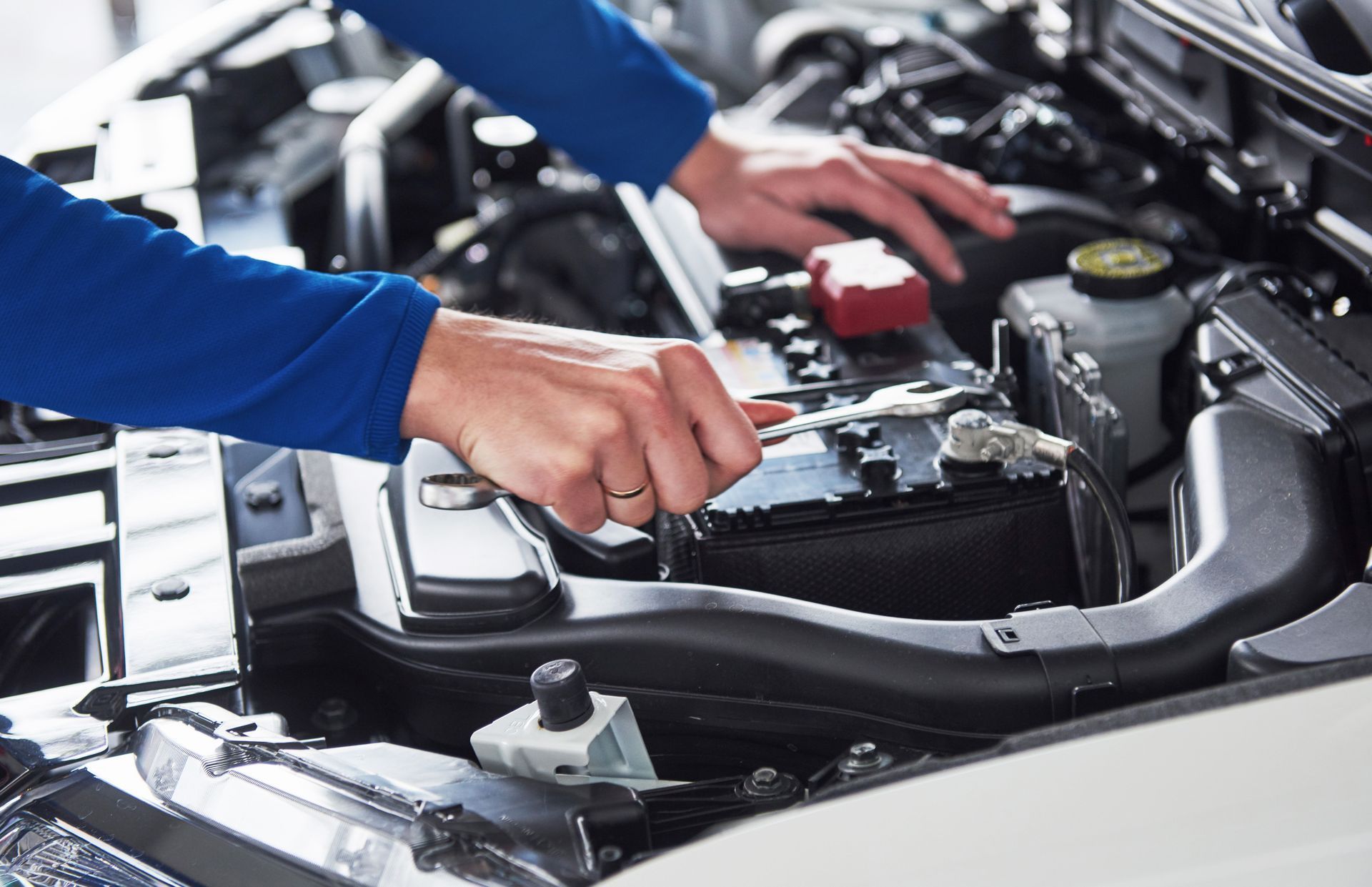
Installing new components correctly is just as important as selecting high-quality replacement items. Beginners should always consult a vehicle-specific repair manual or verified digital service guide before attempting any DIY repair project. Preparing the proper hand tools, safety gear, and specialized equipment—such as torque wrenches, breaker bars, and jack stands—prevents accidental component damage and protects personal safety during installation.
Over-tightening fasteners can strip soft aluminum threads or crack brand-new plastic housings, while under-tightening bolts risks severe mechanical failure on the road. Applying manufacturer-recommended torque specifications to every bolt, spark plug, and wheel lug nut ensures that new components operate as intended. Sourcing your supplies from a neighborhood retailer selling local auto parts allows you to rent specialized tools—such as spring compressors or loaner diagnostic scanners—without buying expensive equipment you may only use once.
Practicing Preventative Maintenance to Extend Auto Part Lifespans
Maximizing the operational lifespan of replacement components requires consistent preventative care and routine vehicle inspections. Fluid levels, rubber belts, flexible hoses, and filtration media should be checked regularly to prevent secondary damage to newly installed mechanical systems. For instance, operating an engine with low motor oil or degraded coolant creates excessive friction and heat, causing premature wear on new water pumps, gaskets, and timing belts. Routine checks catch minor issues before they turn into major breakdowns.
Keeping engine bays clean and free of road salt, oil residue, and debris prevents corrosion from eating away at exposed wiring harnesses and aluminum housings. Inspecting rubber dust boots on suspension ball joints and CV axles during routine oil changes helps catch small tears before road grit ruins internal bearings. Purchasing fluid filters, synthetic lubricants, and protective sprays from a store stocked with local auto parts keeps your maintenance schedule on track, ensuring smooth, trouble-free operation for miles to come.
Mastering Smart Shopping Habits for Long-Term Vehicle Care
Developing smart automotive shopping habits transforms routine maintenance from a stressful chore into a manageable home care routine. Keeping a detailed glovebox logbook of replacement dates, part numbers, and mileage intervals creates a clear record of your vehicle's maintenance history. This documentation proves invaluable when troubleshooting future mechanical issues, tracking warranty timelines, or establishing vehicle resale value for prospective buyers.
Building a comfortable working knowledge of basic vehicle systems allows you to address minor mechanical issues long before they escalate into catastrophic failures on the road. Partnering with a reliable neighborhood supplier of local auto parts gives you access to physical inventory, loaner tool programs, and expert advice that online stores simply cannot match. By pairing quality replacement components with meticulous installation practices and routine preventative care, beginner mechanics can maintain safe, reliable transportation while saving money on long-term vehicle maintenance.
Taking control of your vehicle's upkeep by sourcing quality replacement components, mastering basic installation practices, and maintaining a routine service schedule ensures that your car remains reliable, safe, and efficient for years to come. Local suppliers play an irreplaceable role in this process, offering immediate access to physical inventory, specialized loaner tools, and personalized counter guidance that saves you time and prevents costly repair mistakes. By pairing expert advice with proper maintenance habits, you protect your vehicle investment and gain total confidence in every repair project you undertake. Visit Antioch Auto Parts - NAPA today to pick up the high-quality parts, specialized tools, and expert advice you need to keep your vehicle running in top condition.