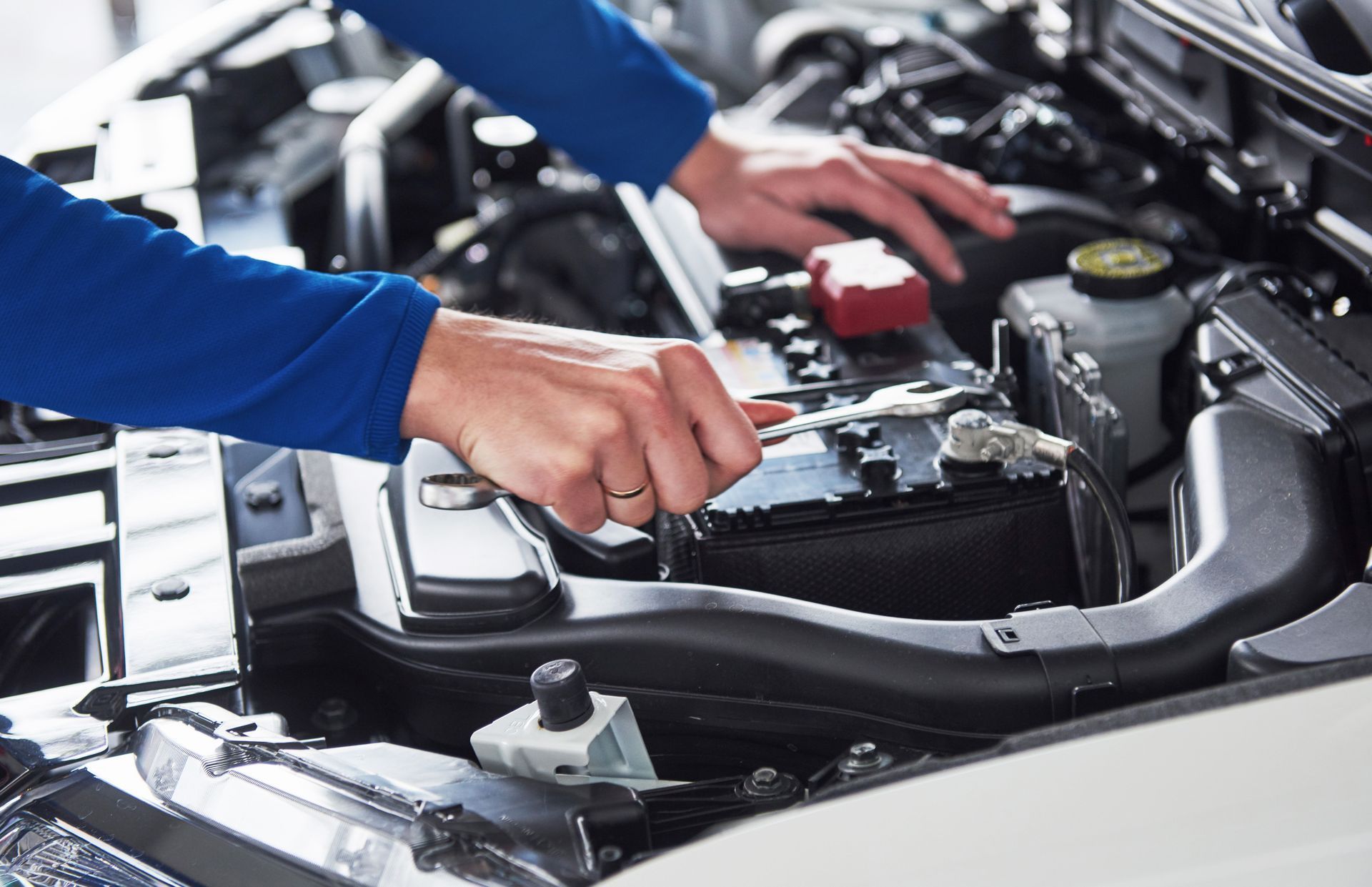
Automobile ownership represents a vital aspect of everyday independence, providing individuals and families with dependable transportation across vast distances. Supporting this essential mobility requires continuous vigilance regarding vehicular condition, mechanical health, and component integrity. Over thousands of travel miles, severe friction, extreme heat, environmental moisture, and constant vibration systematically degrade essential mechanical systems. While modern vehicle engineering has significantly extended the operational lifespan of individual components, no mechanical element remains impervious to fundamental wear and physical deterioration. Understanding the overall importance of replacing degraded components before catastrophic failure occurs remains a foundational pillar of safe, cost-effective vehicle ownership. Proactive component replacement ensures that essential safety mechanisms engage correctly, combustion systems operate cleanly, and structural sub-assemblies retain proper operational alignment. Neglecting necessary component maintenance compromises passenger safety, diminishes vehicle fuel efficiency, accelerates secondary system damage, and drastically lowers overall resale value. By prioritizing timely component restoration, vehicle owners preserve essential transportation reliability and safeguard their long-term financial investments.
Sustaining Vehicle Safety Through Timely Replacements
Passenger safety stands as the absolute highest priority across every aspect of automotive design and routine maintenance. Critical components such as brake pads, hydraulic lines, suspension struts, steering knuckles, and tire assemblies work in absolute synchronicity to maintain control during emergency maneuvers. When internal mechanisms degrade, stopping distances lengthen, cornering stability degrades, and emergency handling capabilities deteriorate rapidly. According to Sokolove Law, up to 2.7% of fatal car accidents involved a defective auto part. This sober reality illustrates the vital necessity of inspecting and replacing compromised vehicle components before severe mechanical breakdowns occur on high-speed roadways.
Fresh mechanical components restore factory safety parameters, giving drivers complete confidence during severe weather conditions, sudden stops, or sharp avoidance maneuvers. Inspecting high-wear areas during routine servicing allows drivers to identify thinning friction linings, cracked rubber seals, or corroded structural linkages. Replacing suspect auto parts promptly prevents sudden component failure, keeping drivers, passengers, and surrounding motorists protected against preventable highway emergencies.
Preventing Costly Secondary Damage Across Mechanical Systems
Automotive mechanical systems operate as interconnected webs, where a degraded component places immense auxiliary stress upon adjacent assemblies. For example, ignoring a worn timing belt risks severe internal engine failure if the belt snaps and allows internal pistons to strike delicate intake valves. Similarly, continuing to drive with severely depleted brake friction linings eventually scores high-value metal rotors, forcing expensive structural replacements instead of simple surface servicing. Proactive replacement schedules prevent minor component wear from cascading into widespread mechanical failure across primary drive systems.
Investing in high-quality replacement auto parts at the initial sign of physical wear saves vehicle owners massive financial hardship over the operational life of the automobile. Replacing worn water pumps, failing thermostats, or leaking radiator hoses prevents destructive engine overheating that leads to warped cylinder heads and blown gaskets. Timely component intervention isolates repairs to small, manageable fixes rather than massive mechanical overhauls. By addressing minor component wear immediately, car owners safeguard complex engine and transmission assemblies against unnecessary stress, maintaining optimal vehicle operational readiness at reasonable ongoing expenses.
Maximizing Fuel Efficiency Using Fresh Propulsion Components
Engine efficiency relies upon precise proportions of clean air, high-purity fuel, and intense electrical spark delivered at exact microsecond intervals. Over extended operating cycles, air filtration elements collect dense road debris, fuel delivery injectors accumulate internal varnish deposits, and spark plugs experience electrode erosion. Devoid of optimal component performance, internal combustion efficiency plummets, causing unburnt fuel to exit through exhaust systems while miles per gallon drop noticeably. Installing fresh ignition and air filtration elements restores original combustion dynamics, maximizing energy output from every drop of fuel.
Additionally, chassis components play a crucial role in overall fuel economy. Dragged brake calipers, misaligned wheel bearings, and deteriorated oxygen sensors subtly drag performance, forcing engines to burn significantly higher fuel volumes to maintain highway speeds. Exchanging aged sensor arrays and drag-inducing chassis components optimizes overall energy utilization across all mechanical systems. Restoring peak combustion and reduced rolling resistance allows vehicles to achieve maximum distance per gallon, yielding substantial financial savings at fuel pumps while reducing overall environmental carbon emissions.
Preserving Optimal Vehicle Performance and Handling Capabilities
Driving enjoyment and vehicle responsiveness depend directly upon the physical condition of core mechanical, suspension, and steering assemblies. Fresh shocks, struts, sway bar links, and steering racks absorb physical road impacts, keep tires firmly planted on asphalt, and deliver precise steering input during tight cornering maneuvers. As suspension components slowly lose internal fluid pressure and structural stiffness, vehicle handling degrades subtly, leading to body roll, excessive nose-diving under braking, and unpredictable highway drifting. Swapping out exhausted suspension auto parts restores smooth ride quality and crisp steering control.
Engine performance benefits equally from timely component replacements. Replacing degraded sensors, drive belts, and intake gaskets eliminates severe acceleration hesitation, engine idle surge, and rough power delivery. Restored engine assemblies deliver smooth, instantaneous throttle response during highway merging and uphill climbing. Maintaining factory component standards preserves the energetic driving dynamics and refined comfort that vehicle manufacturers engineered into the chassis, transforming everyday commutes into secure, highly enjoyable driving experiences.
Extending Overall Vehicle Lifespan with Continuous Maintenance
For most individuals, a personal motor vehicle represents a massive financial investment made over a lifetime. Extending the functional operating life of an automobile past typical loan terms yields tremendous economic freedom, eliminating monthly financing costs. Continuous component replacement stands as a paramount strategy for reaching high odometer mileage without experiencing total vehicle abandonment. Consistently renewing worn drive components, fluid seals, and cooling lines preserves core structural integrity, allowing vehicles to operate smoothly across decades of daily use.
Neglecting continuous component replacement leads to rapid mechanical decline, where cumulative minor issues eventually render a vehicle economically unfeasible to repair. Conversely, replacing worn components systematically spreads maintenance expenses evenly across years of ownership, preventing sudden multi-system failures. Well-maintained automobiles with documented component replacement histories resist major operational breakdowns, providing dependable transportation across vast travel distances while delaying the immense financial burden of purchasing brand-new replacement vehicles.
Protecting Vehicle Resale Value Through Documented Servicing
Eventually, vehicle owners elect to upgrade, trade, or private-sell their current automobiles. Secondary market buyers and dealership appraisal specialists evaluate pre-owned vehicles based upon structural condition, mechanical health, and comprehensive maintenance documentation. Automobiles backed by detailed service records showing regular replacement of worn components command premium price points in competitive resale markets. Buyers happily pay top market rates for pre-owned cars that promise immediate mechanical reliability without demanding immediate post-purchase repair investments.
Maintaining complete receipts for installed replacements proves to prospective buyers that critical engine, braking, and steering systems received high-level technical care. Conversely, vehicles exhibiting neglected maintenance, leaking components, or illuminated instrument cluster warnings suffer severe valuation discounts. Documented component replacements validate proper vehicle stewardship, instilling immense buyer confidence during negotiations.
Maintaining an automobile in peak operational condition demands consistent attention, technical care, and timely component renewal. Replacing degraded components enhances passenger safety, maximizes fuel efficiency, protects secondary engine assemblies, preserves responsive handling, and secures optimal long-term vehicle resale value. Proactive component intervention remains a key strategy for avoiding dangerous high-speed breakdowns and catastrophic financial repair bills. Navigating routine vehicle maintenance requires access to reliable, high-grade auto parts built to exacting manufacturer tolerances. At Antioch Auto Parts - NAPA, we stand fully dedicated to supplying superior vehicle components, specialized technical advice, and dependable service solutions to keep your automobile running safely and efficiently on every road. Visit our location or browse our extensive inventory today to secure the high-performance components your vehicle truly deserves.