By Matt Sexton
November 17, 2026
Vehicles rely on thousands of individual car parts working in harmony to keep you moving. Every journey depends on the reliability of these systems, whether making a trip to the store or traveling on the highway. Getting to know the basics of different car parts helps demystify what happens beneath the hood and chassis. When you understand how various systems function, you gain a clear picture of what keeps your vehicle operating efficiently. Paying attention to how your ride behaves can make a massive difference in preventing minor issues from turning into major inconveniences. Modern vehicles are marvels of engineering, but they still require attention and care. Being an informed owner allows you to stay ahead of wear while protecting your investment.
1. Understanding Engine and Core Components
The engine serves as the power center of your vehicle, converting fuel and air into mechanical energy. Inside the engine block, multiple car parts operate under high heat and pressure. Pistons move rapidly within cylinders, while crankshafts and camshafts synchronize to manage valve timing and power delivery. Spark plugs ignite fuel in gasoline engines, driving combustion. Keeping core components in good condition depends on clean lubrication, effective cooling, and airflow. If any component experiences excessive friction, performance can suffer. Regular inspections of belts, hoses, and fluid levels help protect internal components from wear. Keeping track of engine performance allows you to catch subtle changes before they affect daily driving.
2. Navigating the Complexities of Transmission Systems
Transferring power from the engine to the wheels requires a robust transmission system capable of managing speeds and torque demands. Whether a vehicle uses a manual setup, a traditional automatic, or a continuously variable transmission, the system relies on gear ratios and electronic controls. Gears must engage smoothly to allow efficient acceleration and cruising. Transmission fluid plays a critical role by lubricating moving gears, cooling components, and enabling hydraulic pressure for gear shifts. Over time, heat and stress degrade fluid quality, leading to rough shifting or hesitation. Paying attention to gear shifting provides valuable insight into the health of these complex car parts. Timely care and professional inspections ensure the transmission continues to deliver smooth power output across driving conditions.
3. Maintaining the Integrity of Brake Systems
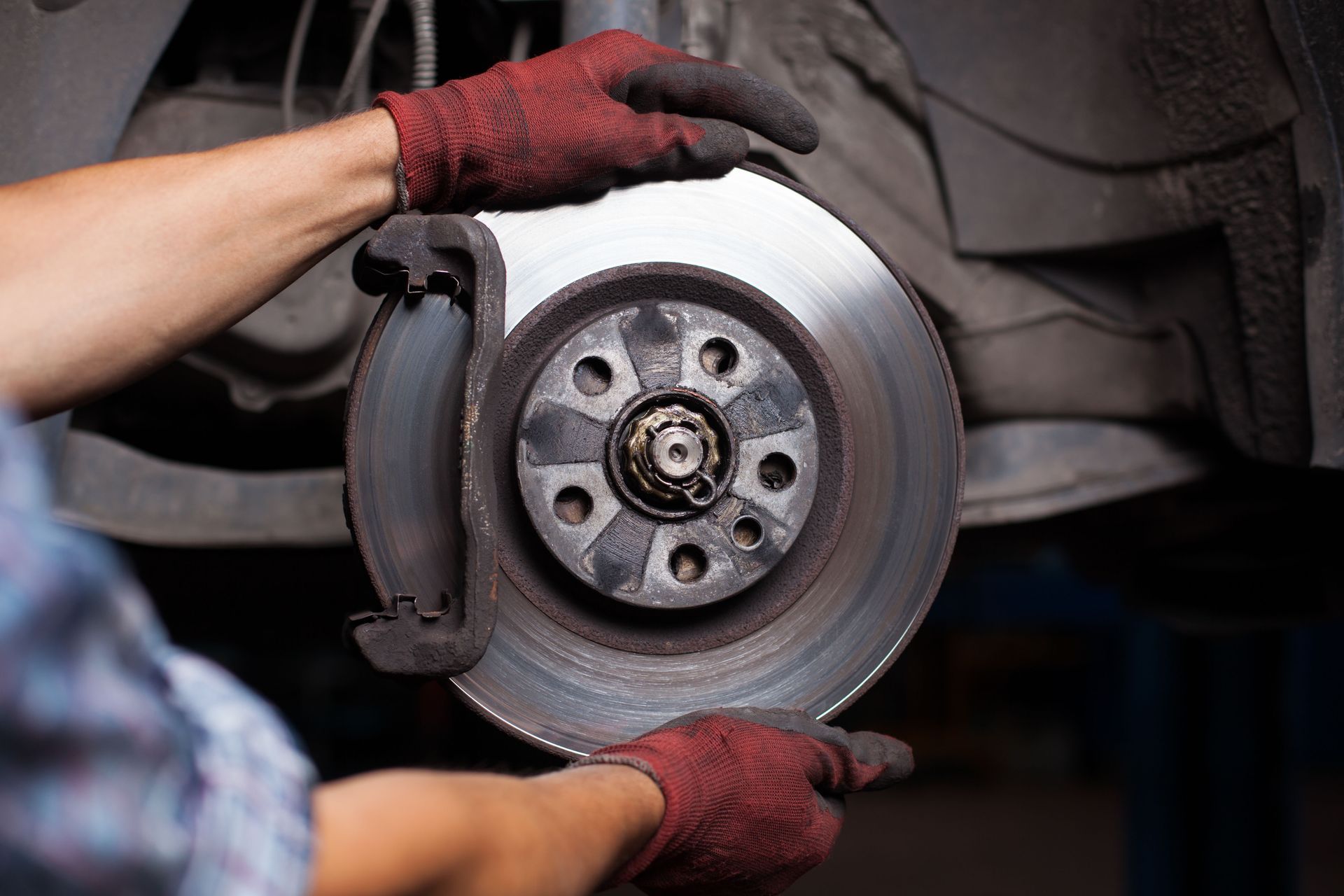
Safety on the road begins with a responsive braking system capable of slowing or stopping your vehicle at a moment's notice. Modern brake assemblies rely on hydraulic friction created when brake pads press against rotating metal rotors. Hydraulic lines carry fluid pressure from the master cylinder to calipers at each wheel, ensuring balanced stopping force. Every time you bring your vehicle to a halt, friction generates heat and gradually wears down essential car parts like pads and friction linings. Rotor surfaces also experience thermal stress and gradual wear over thousands of miles. Paying attention to pedal feel, stopping distance, or sounds during deceleration helps monitor these safety components. Proper care of hydraulic fluid and mechanical components keeps stopping power consistent.
4. Managing Electrical and Battery Health
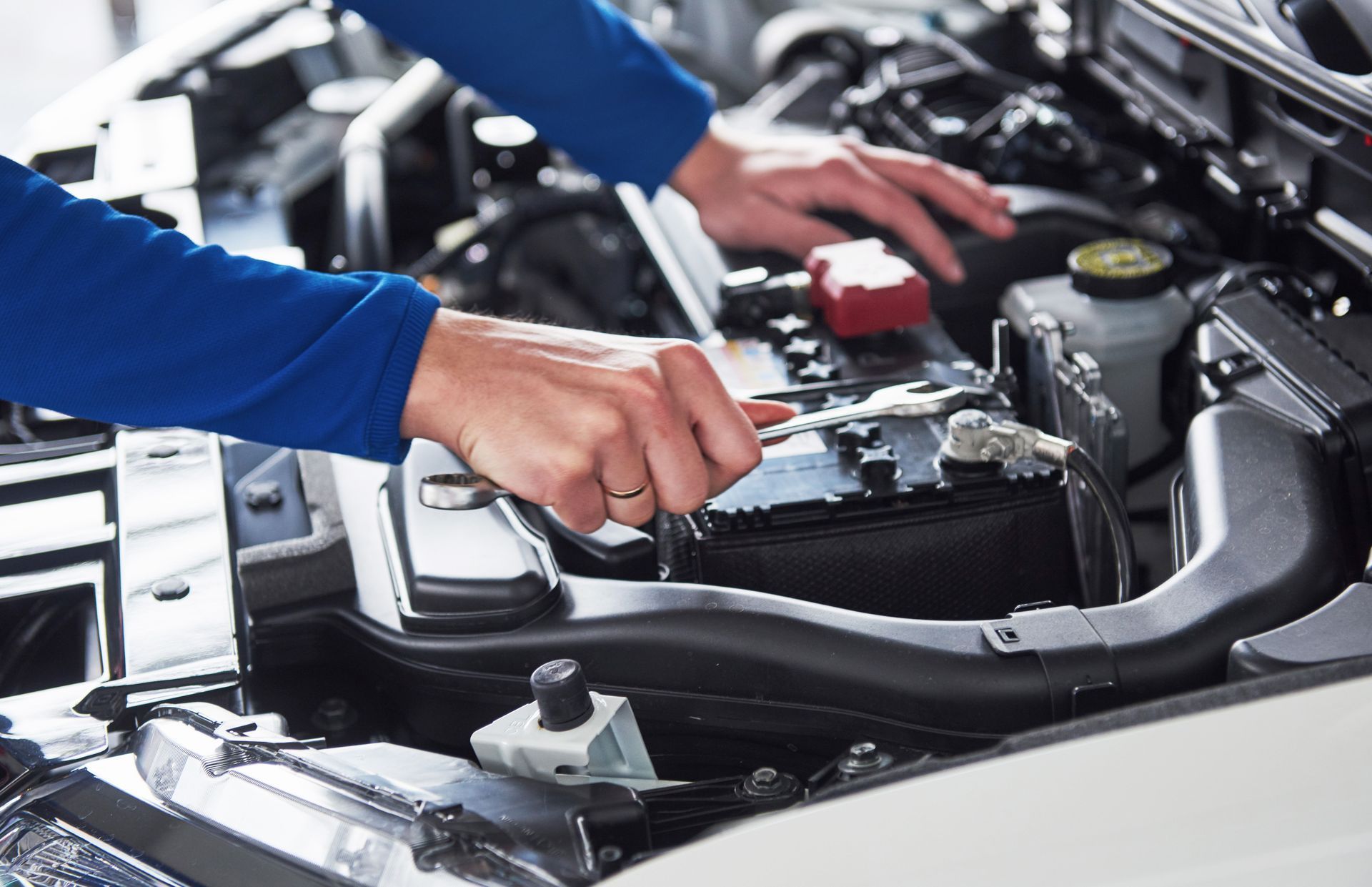
Modern vehicles rely heavily on electrical networks to power everything from engine ignition to cabin features. At the center of this network sits the battery, which provides the initial power needed to start the engine. Once running, the alternator generates electricity to run onboard systems while recharging the battery. Fuses, wiring harnesses, relays, and control units manage power distribution across critical components like headlights and climate control setups. According to Mordor Intelligence, the majority of auto part sales, over 72%, are for passenger vehicles. Because passenger vehicles depend so heavily on complex electrical architectures, keeping electrical connections clean and secure is vital. Monitoring battery output and system voltages prevents starting issues and protects delicate electronic modules.
5. Balancing Suspension and Steering Dynamics
A smooth ride and precise handling depend on the proper functioning of your suspension and steering systems. Shock absorbers, struts, springs, and control arms work together to absorb bumps, control body roll, and keep tires in firm contact with the road. Steering linkages, tie rods, and power steering mechanisms translate steering wheel inputs into accurate directional changes. Wear on suspension bushings or damping car parts can lead to a harsh ride, uneven tire wear, or reduced stability during cornering. Keeping components properly aligned ensures predictable handling and driver comfort across various road conditions. Routine professional checks help identify worn bushings, ball joints, or leaking shock absorbers before they compromise ride quality. Maintaining solid steering dynamics keeps your driving experience comfortable.
6. Preserving Fluid Maintenance and Circulation Systems
Vital fluids circulate throughout your vehicle to cool, lubricate, clean, and protect internal moving components from friction and heat. Engine oil reduces friction between metal parts, while coolant prevents the engine block from overheating. Transmission fluid, power steering fluid, and brake fluid each serve unique hydraulic and protective functions. Over time, heat, contamination, and oxidation degrade fluid effectiveness and reduce their ability to protect critical car parts. Filters designed for oil, fuel, and air must also remain clean to prevent contaminants from circulating through sensitive pathways. Regularly checking fluid levels and condition helps ensure internal components receive the protection they need during operation. Keeping fluid systems properly maintained supports smooth performance and protects vital components from wear.
7. Recognizing Early Signs of Component Wear
Components gradually wear down over time due to mechanical movement, heat cycles, and exposure to environmental elements. Paying attention to subtle changes in vehicle behavior helps identify car parts that may require professional evaluation or replacement. Unusual noises during operation, changes in handling precision, altered pedal response, or new vibrations can indicate advancing wear on specific mechanical assemblies. Dashboard warning lights provide helpful diagnostic feedback when electronic sensors detect system parameters outside normal operational ranges. Addressing early indicators promptly helps preserve vehicle performance and prevents secondary damage to connected assemblies. Staying observant about vehicle performance during everyday drives allows you to maintain optimal operating conditions. Clear communication with service professionals ensures aging components receive timely attention.
8. Understanding Quality and Standards in Part Manufacturing
Manufacturing standards play a central role in how replacement components fit, function, and endure over time. Original equipment manufacturer components match the exact dimensions, materials, and operational parameters of your vehicle's original build. Aftermarket options offer alternative solutions manufactured by third-party companies, providing various design approaches and material options across different price points. Components designed to stringent manufacturing standards ensure proper tolerance matching, thermal resistance, and structural integrity under operating loads. Evaluating component specifications, structural quality, and manufacturer warranties helps ensure replacement car parts align with vehicle requirements.
9. Evaluating Environmental Factors and Component Durability
Environmental conditions exert continuous influence on the durability and lifespan of various automotive components. Extreme summer heat can accelerate battery fluid evaporation, degrade rubber hoses, and increase thermal stress on engine cooling systems. Winter weather brings freezing temperatures, road salts, and moisture that encourage surface corrosion on metal undercarriage components and exhaust assemblies. Dust, debris, and road grime can accumulate on moving car parts, accelerating surface abrasion if components remain uncleaned. Understanding how local weather patterns and driving environments affect your vehicle helps tailor your ongoing vehicle care strategy. Protecting exposed components and keeping undercarriage areas clean helps mitigate the corrosive impact of road chemicals. Taking environmental factors into account ensures your vehicle remains resilient through changing seasonal conditions.
10. Exploring Advancements in Automotive Part Technology
Automotive design continues to evolve rapidly with the integration of new materials, electronic sensors, and digital control systems. Modern car parts increasingly feature lightweight composite materials and high-strength alloys designed to improve efficiency without sacrificing structural strength. Smart sensors integrated into braking, engine, and suspension components continuously transmit operational data to central vehicle control modules. These technological advances allow vehicle systems to make real-time adjustments, optimizing efficiency, emissions, and ride dynamics dynamically. Staying informed about technological shifts helps vehicle owners appreciate how modern systems operate and interconnect.
Understanding how vehicle components work together provides valuable perspective on maintaining performance, safety, and reliability. Every system, from the engine and transmission to the brakes and electrical architecture, plays an important role in delivering a smooth driving experience. Staying attentive to vehicle behavior, managing fluid health, and addressing component wear promptly helps preserve your overall investment. When your vehicle requires high-quality replacement components or professional automotive guidance, turn to Antioch Auto Parts - NAPA for dependable solutions and knowledgeable support.